
Plaster & lath · drywall · older homes
Drywall and plaster removal
Can you take plaster and lath walls down to the studs?
Yes. We handle drywall and plaster removal in Amarillo, from the plaster-and-lath walls in older neighborhoods like Wolflin to drywall in newer homes. Walls and ceilings come down to the studs and joists, the debris goes straight into our dumpster, and we leave the rooms swept for electricians, insulation and new board.
Updated
- Trim, casing and baseboard
- Plaster finish coat or drywall
- Plaster scratch and brown coats
- Wood lath strips and nails
- Down to studs and joists
How it goes
Walk-through
We look at the walls and ceilings, check which rooms are plaster and which are drywall, and agree on what stays.
Permits and utilities
Your electrician kills the circuits in the work area before walls open; old wiring in plaster homes often runs through the lath.
Dumpster set
Plaster is heavy, so we set a 15 or 20-yard box and plan swaps.
The work
Ceilings first, then walls, so debris falls onto floors that are coming out or covered anyway.
Haul-off
We swap full boxes and haul every load to a licensed disposal facility.
Final cleanup
Nails out of the studs, lath scraps picked up, floors swept. The framing is ready to inspect.
What's included
- Walls and ceilings opened room by room
- Plaster, lath and nails removed together
- Drywall, tape and corner bead
- Trim pulled and set aside if you're reusing it
- Dust kept to the work area as far as practical
- Our dumpster on site and the haul-off
- Rooms swept with nails pulled from studs
Not part of the job: Asbestos or lead testing and abatement — a licensed contractor handles that first; Rewiring or re-plumbing once the walls are open.
Why do Amarillo's older homes mean plaster?
Amarillo's historic districts were built before drywall was common. Wolflin dates to the 1920s, and Plemons–Eakle has homes built from the 1910s to the 1950s. Those homes usually have plaster over wood lath: a heavy, three-coat wall that comes down in chunks and a lot of dust.
That's why a plaster job gets a smaller, heavier-rated box and a plan for swaps, not one big box that ends up over its tons.
The dumpster for this job
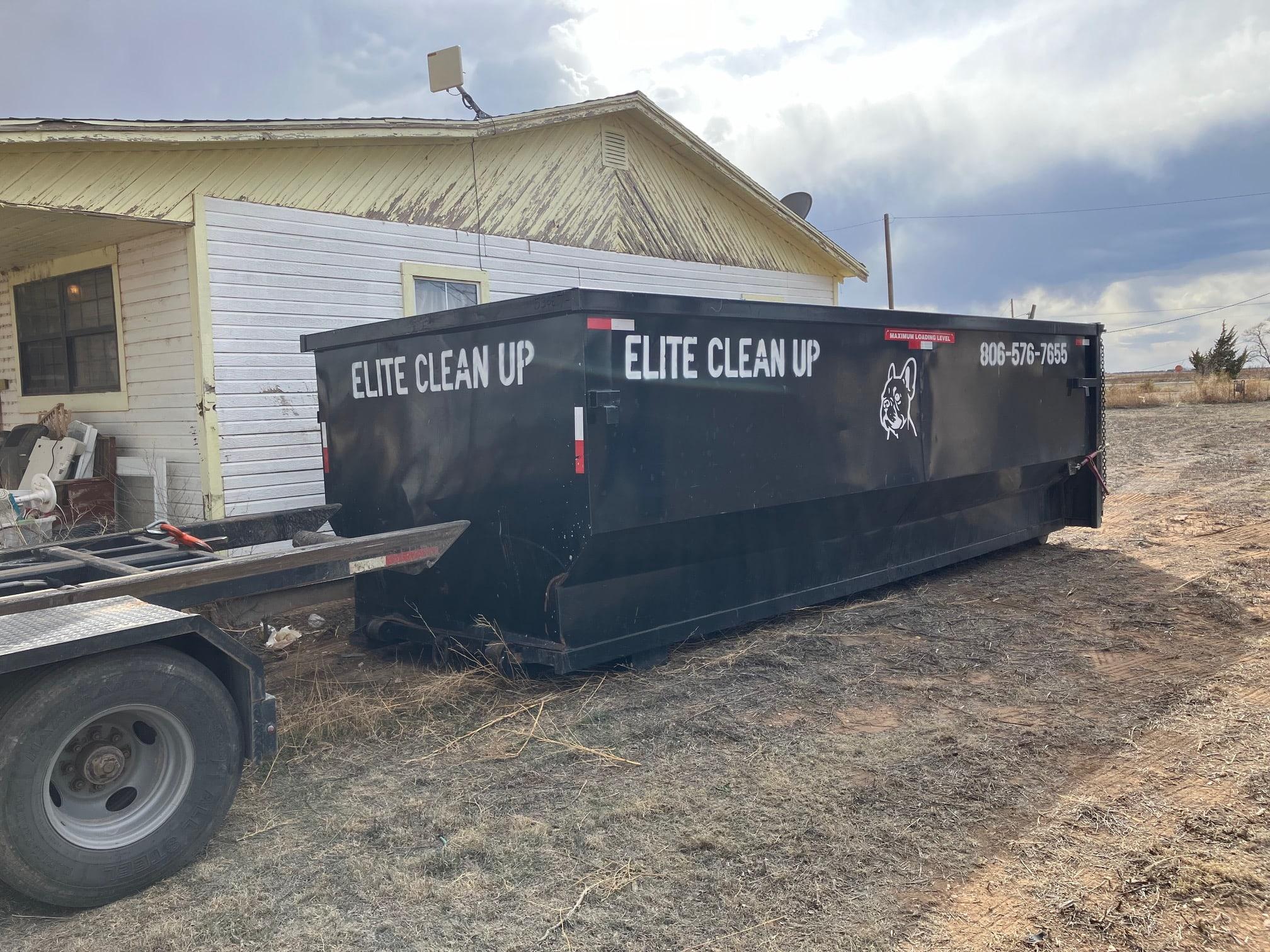
Plaster and lath is the weight surprise of the remodel world: heavy, not big. We size plaster jobs by weight, which usually means a 15 or 20-yard box and a swap rather than one big box near its tons. Drywall-only jobs in newer homes are lighter and bulkier and can go bigger.
Concrete, brick, dirt and stone go in a 15 or 20-yardbox only. Heavy material reaches the truck's weight limit long before it fills a bigger box.
Renting the box on its own? See dumpsters for demolition jobs or compare all four sizes.
What affects the price
- Plaster or drywall — plaster is heavier, dustier and slower
- Walls only, or ceilings too
- Number of rooms and ceiling height
- Trim and casing being saved
- Number of dumpster swaps for plaster weight
Every job is quoted after the walk-through, in writing, with the dumpster and the haul-off in the same number.
Questions we get
How dusty is plaster removal?
Very. We close off the work area as far as practical and keep the path to the dumpster short, but plan on the rest of the house getting some dust.
Can you save the original trim?
Yes. We pull trim, casing and baseboard first and stack it for you before the walls come down.
Can plaster go in a 30-yard box?
No. Plaster is heavy, so it goes in a 15 or 20-yard box. A 30-yard full of plaster would be too heavy for the truck to haul.
Tear-down, haul-off, cleanup. One call.
Tell us what's on the site and where it is. We'll walk it, quote the whole job in writing, and set our dumpster before the work starts.